


When someone you love is killed by police, grief does not follow a predictable path.
There is no closure when questions remain unanswered, when the system that was
supposed to protect failed catastrophically, when every news story reopens the wound.
Grief after police shooting deaths is complicated by trauma, public scrutiny, and a
society that often wants survivors to move on before they are ready. Carmine B.
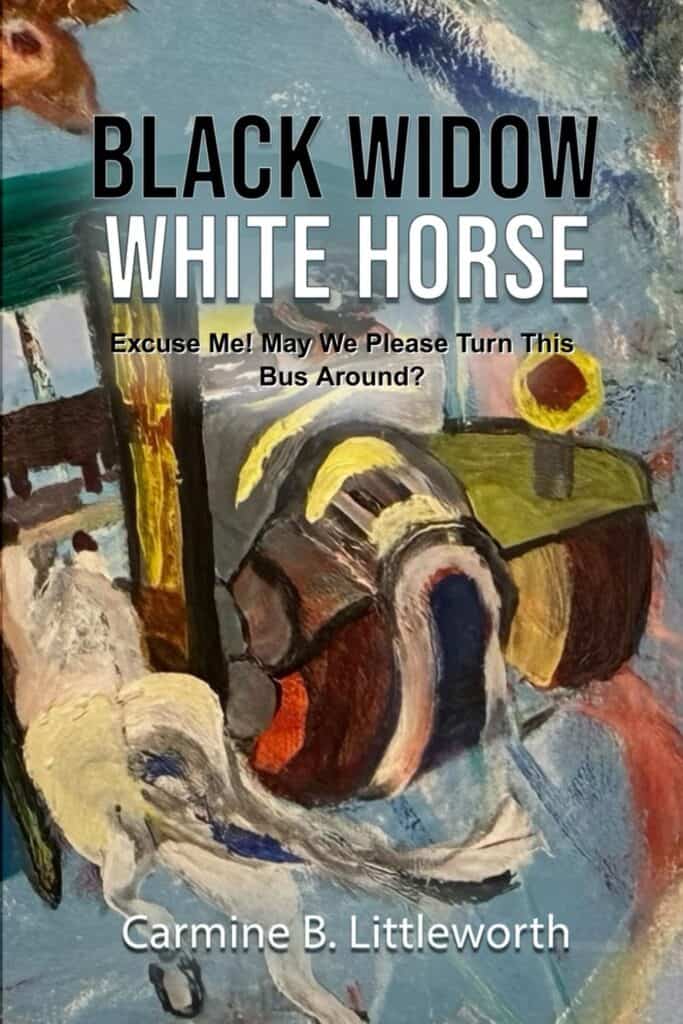
Littleworth captures this devastating reality in Black Widow White Horse, where
widowhood becomes a daily negotiation between survival and sorrow.
Why This Grief Is Different
Losing a loved one is always painful. But losing someone to police violence adds layers
of complexity that can make traditional grief support feel inadequate or even insulting.
- Lack of accountability: When no one is held responsible, closure feels
impossible - Public nature: The death may be debated, recorded, or politicized
- Trauma on top of grief: Witnessing or learning details of the death creates
additional wounds - Community division: Some people may blame the victim, adding isolation to
loss - Ongoing legal battles: Fighting for justice keeps the wound open
The Myth of Moving On
Well-meaning people often expect grief to have an endpoint. They ask when you will
feel better, suggest it is time to move forward, or grow uncomfortable with ongoing pain.
This pressure can be deeply harmful.
What survivors actually experience: - Grief that comes in waves, not stages
- Good days that feel like betrayal
- Triggers that appear without warning
- Anger that has nowhere safe to go
- Exhaustion from performing okayness for others
- Loneliness even in crowded rooms
Trauma Triggers and Daily Life
For those grieving a police shooting, ordinary moments can become minefields. The
world is full of reminders that others do not even notice.
Common triggers include: - Sirens, police cars, or uniformed officers
- News stories about police violence
- Anniversaries, birthdays, and holidays
- Places you visited together
- Songs, smells, or foods connected to memories
- Well-intentioned questions that reopen pain
The Weight of Widowhood
Becoming a widow or widower through violence carries unique burdens. Identity shifts
overnight. Roles change. The future you planned disappears.
What widowhood after violence involves:
- Identity crisis: Who are you without your partner?
- Practical overwhelm: Bills, decisions, and responsibilities that were shared
- Parenting alone: If children are involved, grief must coexist with caregiving
- Financial strain: Loss of income combined with legal costs
- Social awkwardness: People not knowing what to say or avoiding you entirely
How Friends Can Support Without Controlling
If someone you care about is grieving a police shooting, your instinct to help is valuable.
But how you help matters as much as whether you help.
Helpful approaches: - Show up consistently: Do not disappear after the funeral
- Listen without fixing: Let them talk without offering solutions
- Ask specific questions: “Can I bring dinner Tuesday?” not “Let me know if you
need anything” - Follow their lead: Let them decide when to talk about it and when to take a
break - Avoid platitudes: “Everything happens for a reason” causes harm, not comfort
- Respect their pace: Do not push them to move on or move forward
What Not to Say
Even with good intentions, certain phrases can deepen pain rather than ease it.
Knowing what to avoid is as important as knowing what to offer.
Phrases to avoid: - “At least…” followed by anything
- “I know how you feel”
- “You need to be strong.”
- “It’s been a while now.”
- “Have you tried therapy?” as a way to end the conversation
- Any comment that questions or blames the person who died
Finding Support That Understands
General grief support can help, but survivors of police violence often need spaces
where their specific experience is understood without explanation.
Resources to consider: - Support groups specifically for families affected by police violence
- Trauma-informed therapists with experience in violent loss
- Community organizations led by other survivors
- Online communities where geography is not a barrier
- Advocacy work, if and when it feels empowering rather than draining
Grief Without a Timeline
Grief after police shooting deaths does not fit neatly into stages or timelines. It reshapes
identity, relationships, and daily life in ways that outsiders rarely understand. Survivors
deserve patience, presence, and the freedom to grieve at their own pace without
pressure to perform healing. For a story that honors the complexity of this kind of loss,
read Black Widow White Horse by Carmine B. Littleworth.