

Pollution itself is color-blind, but the systems that decide where it lands are not. Understanding how environmental justice and racial justice intersect is essential for anyone who cares about either.
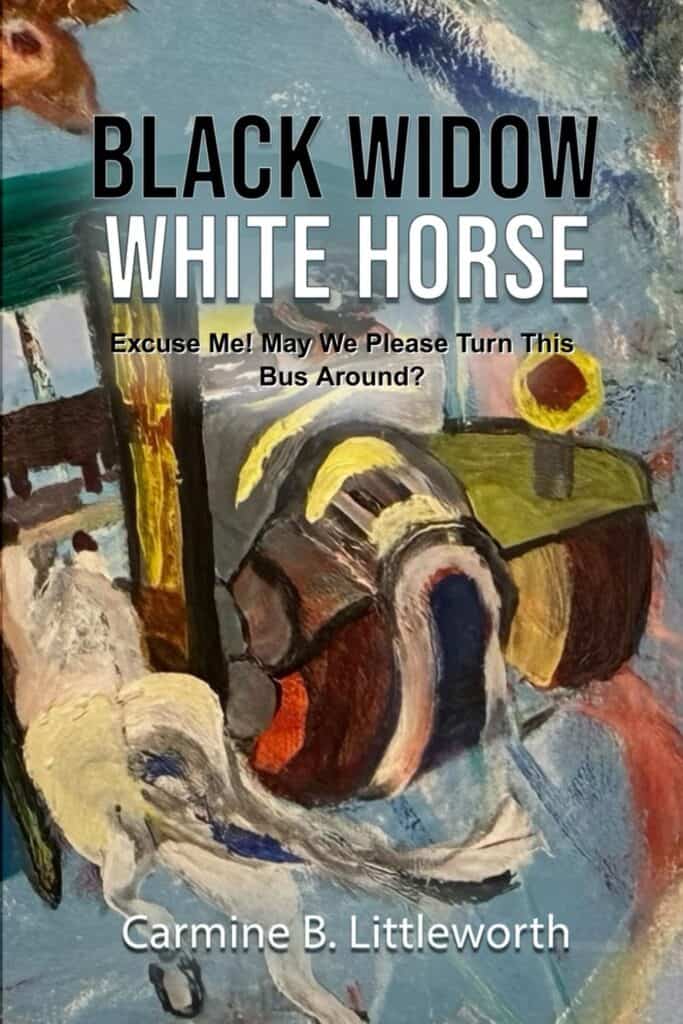
The same communities that face police violence, housing discrimination, and economic exclusion also breathe the dirtiest air and drink the most contaminated water. Carmine B. Littleworth connects these threads in Black Widow White Horse, showing how injustice compounds across every dimension of life.
What Is Environmental Justice?
Environmental justice is the principle that all people deserve equal protection from environmental hazards and equal access to environmental benefits, regardless of race, income, or geography. Clean water and clean air should be fundamental rights for every living being. Yet greed has repeatedly chosen short-term profit for a few over the long-term health of people and the planet.
- Equal protection: No community should bear disproportionate pollution burdens
- Meaningful involvement: Affected communities should have voice in environmental decisions
- Fair treatment: Environmental policies should not create or reinforce inequality
- Access to benefits: Parks, clean air, and green spaces should be available to all
- Historical accountability: Past harms must be acknowledged and addressed
How Racism Shapes Environmental Harm
The distribution of environmental hazards is not random. It follows patterns of racial segregation and discrimination that were deliberately designed. U.S. private-property and zoning laws have long favored developers’ profits over public well-being. As a result, opportunities to restore damaged landscapes are routinely missed; developers are allowed to do the bare minimum while maximizing returns. Healthy streams and rivers need room to function, yet development continues to be approved in floodplains that should never have been built on.
The Connection Between Race and Pollution
- Redlined neighborhoods became sites for industrial facilities
- Landfills and waste processing plants cluster in Black and Brown communities
- Highways were routed through communities of color, destroying neighborhoods
- Environmental regulations are enforced less strictly in marginalized areas
- Climate disasters hit low-income communities hardest
Case Study: Water Contamination
Water crises do not happen equally. From Flint to Jackson to countless rural communities, contaminated water follows racial and economic lines.
Patterns in Water Injustice
- Aging infrastructure neglected in Black cities
- Industrial contamination in communities without political power
- Slow government response when victims are poor or Black
- Ongoing health impacts that last generations
- Lack of accountability for those responsible
- Wetlands naturally filter and purify water. When they are destroyed, the land loses one of its most effective systems for cleaning water and recharging groundwater.
- Large-scale removal of native vegetation is accelerating desertification. Plants once moderated the climate, keeping temperature and moisture changes gradual. Their loss, driven by profit-seeking land conversion, has turned those gradual shifts into extreme and rapid climate disruption.
Climate Change as a Racial Justice Issue
Climate change amplifies existing inequalities. Those who contributed least to the crisis suffer most from its consequences.
How Climate Change Compounds Injustice
- Heat islands: Many urban communities of color, and countless other neighborhoods, lack trees and green space. Only the wealthiest can afford to live on still-intact land and insulate themselves from the environmental damage that development has already inflicted on the rest of the planet.
- Flood vulnerability: Decades of housing discrimination forced many Black families into flood-prone areas that should never have been developed. Destroying the wetlands that once absorbed floodwaters and recharged groundwater only made those communities more vulnerable.
- Disaster recovery: Wealth determines ability to rebuild and relocate
- Health impacts: Pre-existing disparities worsen under environmental stress
- Economic disruption: Climate impacts fall hardest on those with fewest resources
Covid-19: Environment and Race Collide
The pandemic revealed how environmental racism creates health vulnerabilities. Communities with the worst air quality had the highest Covid death rates.
What Covid Exposed
- Air pollution damages lungs, increasing respiratory disease severity
- Essential workers faced both virus exposure and unsafe conditions
- Healthcare access mirrors environmental access
- Crowded housing from economic inequality increased transmission
- The “underlying conditions” were created by systemic racism
Why Justice Work Must Include the Planet
Movements for racial justice and environmental justice are not separate. They are fighting the same systems of extraction and exploitation.
The Integrated Approach
- Recognize that the same corporations harm communities and planet
- Center frontline communities in climate activism
- Support policies that address both environmental and racial harm
- Reject “solutions” that sacrifice some communities for others
- Build coalitions across movements
What You Can Do
Individual actions matter, but systemic change requires collective effort. Here is how to engage meaningfully.
Action Steps
- Learn about environmental conditions in marginalized communities near you
- Support organizations led by frontline communities
- Advocate for environmental justice policies at local and national levels
- Connect your environmental choices to justice implications
- Show up for communities facing environmental threats
- Learn what a healthy ecosystem looks like so you can recognize when one is being degraded.
- Familiarize yourself with native plant communities so you can identify invasive species that crowd them out.
- Volunteer for watershed clean-ups and attend local planning meetings to oppose development in wetlands and riparian zones that are essential for water quality and flood control.
One Struggle
Understanding how environmental justice and racial justice connect transforms how we approach both. The fight for clean air, clean water, and a livable planet is inseparable from the fight for Black lives, immigrant rights, and economic justice. Mother Nature does not play favorites, but the systems humans built certainly do. For a story that traces how injustice weaves through every aspect of life, read Black Widow White Horse by Carmine B. Littleworth.