


In Black Widow White Horse, the sudden loss of Cedric shatters lives and exposes how grief isolates even the strongest among us. Mari and Jean, two women from very different worlds, navigate that raw pain together, sometimes clumsily, sometimes beautifully. Their story shows that grief is not a problem to solve but a reality to witness. This guide translates the novel’s emotional truth into everyday action: how to support a grieving friend without making the hurt worse.
Why Common Responses Often Backfire
Most of us want to help, yet we reach for the wrong tools. We offer advice, compare losses, or rush to “fix” the pain. These well-meaning moves can feel like dismissal. Grief is not a project with a deadline; it is a landscape that changes slowly.
Common pitfalls include:
• Saying “At least…” or “Everything happens for a reason”; these minimize the loss.
• Sharing your own story too soon; it shifts focus from their pain to yours.
• Pushing “positive thinking”: grief needs space to be dark.
• Disappearing after the funeral: support is most needed in the weeks and months that follow.
What Grieving People Actually Need
Presence beats perfection. Research from grief experts and the lived experience of countless survivors shows that the most powerful gifts are simple:
- Listen without fixing. Sit in silence if that’s what they need. Let them repeat the same story. Your job is to bear witness, not to edit.
- Offer practical help. “I’m bringing dinner Tuesday; does 6 p.m. work?” is far better than “Let me know if you need anything.” Concrete offers reduce the mental load of asking.
- Respect their timeline. Grief has no expiration date. Some days they’ll want company; others they’ll need solitude. Follow their lead.
- Remember the person they lost. Speak Cedric’s name, or the name of their loved one. Share a small, specific memory. It keeps the person alive in the room.
- Check in long after the crisis. The second month, the sixth month, the first holiday season- these are when isolation often deepens.
For a complete guide on what to do (and what to avoid), see HelpGuide: How to Help Someone Who is Grieving. Psychology Today also offers excellent insight in “The Most Helpful Thing We Can Do for a Grieving Friend”.
A Simple Script You Can Use
When you don’t know what to say, try this:
“I’m so sorry this happened. I don’t have the right words, but I’m here. You don’t have to carry this alone.”
Then stop talking. The silence is where healing begins.
Long-Term Support: Becoming a Steady Anchor
Grief is not linear. One day they may laugh; the next they may crumble. Stay consistent. Send a text on the anniversary. Drop off groceries without expecting conversation. Invite them to low-pressure activities, walks, coffee, a movie, without pressure to “feel better.”
Community also matters. Support groups, faith communities, or online forums can provide understanding that one friend alone cannot carry. Encourage professional help when grief becomes overwhelming, but never shame them for needing it. Consider connecting them with GriefShare, a proven support network, or explore APA resources on grief support.
Honoring the Grief in Black Widow White Horse
Carmine B. Littleworth’s novel does not offer tidy resolutions. Instead, it shows two women learning to turn toward each other across lines of race, background, and pain. Their bond is imperfect, sometimes tense, yet it becomes the very bridge that keeps them standing. The story reminds us that supporting a grieving friend is not about having the answers, it is about refusing to look away. In a world quick to move on, the book calls us to stay, to listen, and to let love look like showing up even when it feels awkward or inconvenient.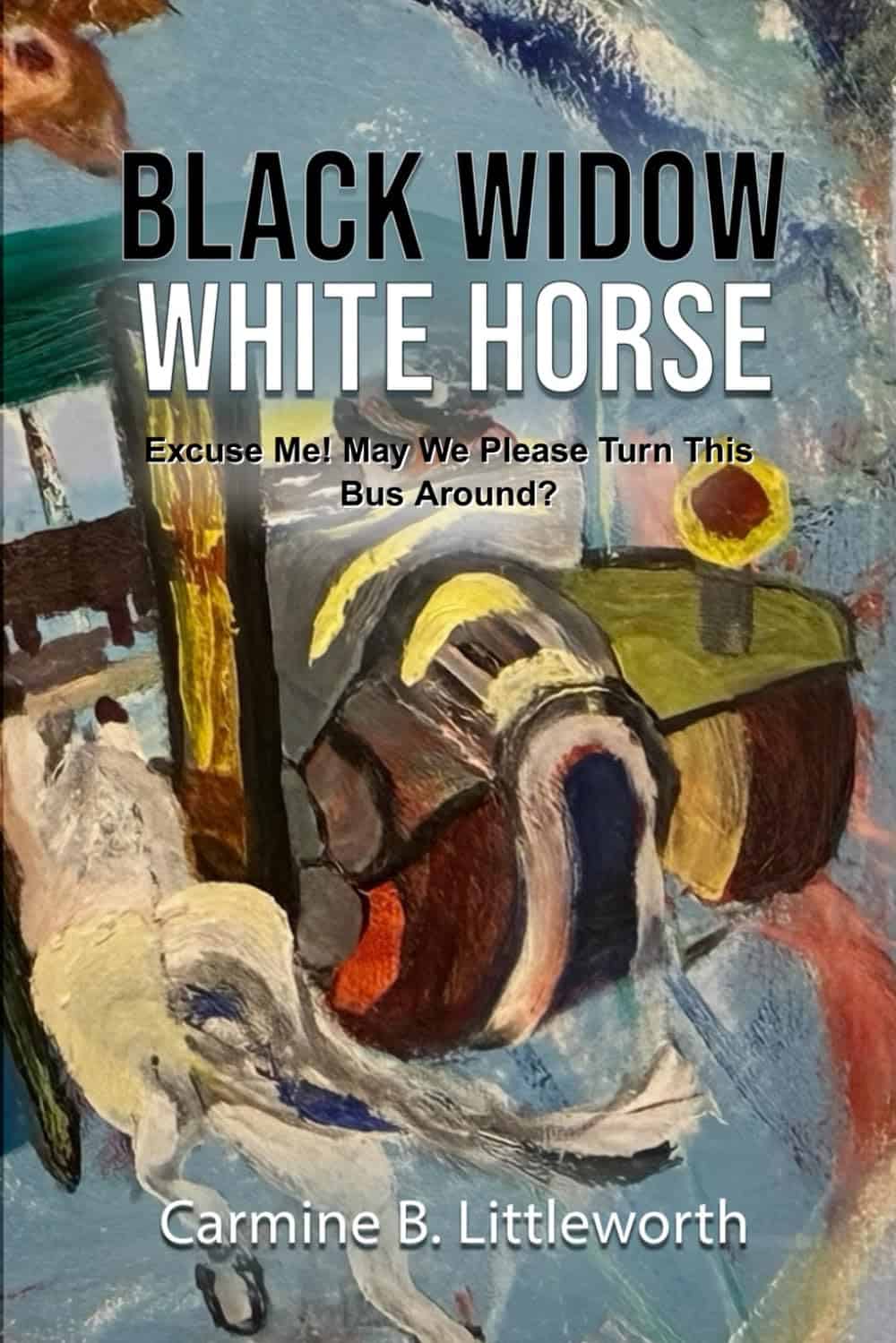
You do not need to be a therapist to be a good friend to someone in grief. You only need to be willing to stay. Read Black Widow White Horse by Carmine B. Littleworth to feel how deep that truth runs. Then put the book down and pick up the phone. Text your grieving friend today. Show up tomorrow. The smallest acts of steady presence can change the shape of someone’s loss, and in the process, they just might change you too.