
In Black Widow White Horse, Mari and Jean come from backgrounds that could not be more different. Their unexpected friendship forms in the shadow of Cedric’s death, forcing both women to confront how race, class, and circumstance shape the support they receive, and the futures they can imagine. The novel does not preach; it simply shows the quiet, grinding weight of living in two Americas at once. This reality exists far beyond fiction.
The Parallel Realities We Share
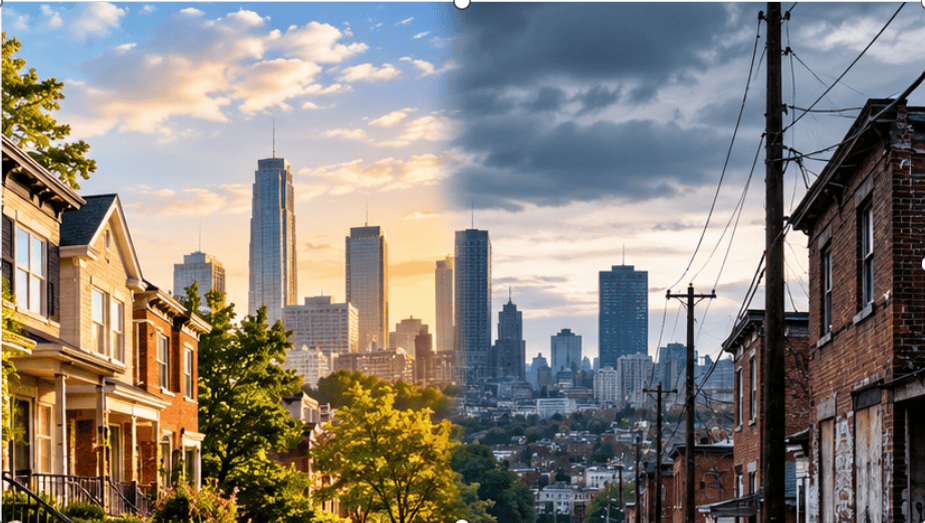
Walk through almost any major American city and you will see two versions of the same place. One set of streets has excellent schools, quick ambulance response times, well-stocked grocery stores, and parks where children play safely. A few miles away, another set of streets has overcrowded classrooms, longer police response times, food deserts, and parks that families avoid after dark. The zip codes may be adjacent, but the lived experiences are worlds apart.
These disparities show up in measurable ways:
• Healthcare access: Wealthier neighborhoods have more primary-care doctors and shorter wait times; under-resourced areas rely heavily on emergency rooms.
• Education: Funding gaps mean some students receive advanced courses, counselors, and enrichment programs while others face outdated materials and higher teacher turnover.
• Safety and justice: The same behaviors can lead to different outcomes depending on neighborhood and skin color, a pattern documented across decades of data.
• Economic opportunity: Generational wealth, homeownership, inheritance, networks, compounds over time, creating advantages that are invisible to those who hold them and insurmountable to those who do not.
For a clear visual breakdown of these trends, see the Urban Institute’s Nine Charts about Wealth Inequality in America. Pew Research Center also tracks long-term trends in income and wealth inequality.
Why These Divides Persist
History, policy choices, and economic structures all play roles. Redlining, discriminatory lending, unequal school funding, and mass incarceration have left measurable footprints. At the same time, family stability, cultural norms, and individual choices shape outcomes within every group. The truth is rarely simple. What matters is refusing to look away from the lived reality that some children start the race several laps behind others.
What Empathy and Action Look Like
Seeing the divide is the first step. The next is refusing to accept it as inevitable. Communities can:
• Support local mentoring and tutoring programs that cross neighborhood lines.
• Advocate for policies that expand access to affordable housing, quality early education, and job training.
• Build relationships across differences, exactly as Mari and Jean do in the novel, so that understanding replaces assumption.
• Vote with full awareness of how local budgets affect schools, clinics, and public safety in every zip code.
None of this requires agreement on every political solution. It only requires the willingness to acknowledge that parallel realities exist and that human dignity demands we work toward greater overlap. Brookings Institution provides a detailed look at how the racial wealth gap continues to widen, and Pew Research offers further data on wealth gaps across racial and ethnic groups.
The Story That Bridges the Divide
Carmine B. Littleworth’s Black Widow White Horse is fearless in showing how race and class shape grief itself. Cedric’s death ripples differently through Jean’s world of relative stability and Mari’s world of harder edges. The two women must learn each other’s realities before they can truly stand together. The novel illustrates that turning toward one another, across lines of privilege and pain, is difficult, messy, and absolutely necessary. It is a story about race, grief, faith, and the hard work of refusing to stay strangers.
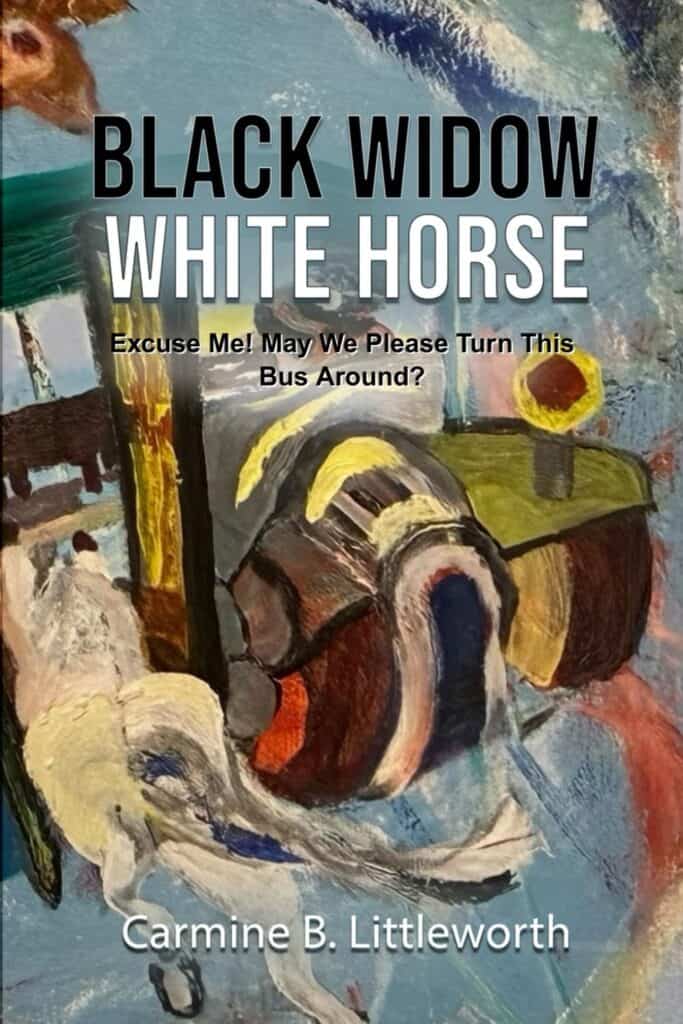
Black Widow White Horse does not claim easy answers, but it insists that seeing the full picture of another person’s reality is where change begins. Read the book to feel the weight of two Americas. Then step outside your own circle. Listen to neighbors whose zip code tells a different story. Support programs that create real ladders of opportunity. The novel reminds us that the bridge between worlds is built one honest conversation, one act of solidarity, and one shared grief at a time. The two Americas do not have to remain separate forever. The question is whether we will do the work of bringing them closer.