

Black Widow White Horse is not a comfortable read. It asks hard questions about grief, race, friendship, and what it really means to help someone. These
Before You Begin: Setting the Space
This book touches on race, grief, trauma, and systemic injustice. Creating a brave space for discussion means acknowledging that these conversations can be difficult.
Guidelines for your discussion:
- Agree to listen more than defend
- Accept that discomfort is part of growth
- Speak from your own experience, not generalizations
- Allow silence when needed
- Respect that people may have personal connections to these themes
Questions About Grief and Loss
The book explores grief in its many forms, not just death, but the loss of identity, security, and the future you expected.
Discussion questions:
- Question 1: How does Mari’s grief change throughout the story? What triggers shifts in how she carries it?
- Question 2: The book suggests that grief after violence is different from other kinds of loss. Do you agree? Why or why not?
- Question 3: What does the book say about society’s expectations for how long grief should last?
Questions About Friendship and Boundaries
Jean and Mari’s relationship sits at the heart of the novel. Their collision reveals how even well-intentioned relationships can become harmful.
Discussion questions:
- Question 4: At what point does Jean’s help become harmful? Is there a specific moment you can identify?
- Question 5: How do power imbalances shape the friendship between Jean and Mari?
- Question 6: Have you ever been in a relationship where helping became controlling? What did you learn?
Questions About White Saviorism
The novel directly confronts the white savior complex, the belief that white people can and should rescue people of color.
Discussion questions:
- Question 7: How does Jean embody the white savior archetype? How does she differ from it?
- Question 8: What does the book suggest about the relationship between guilt and saviorism?
- Question 9: How might Jean have offered support without centering herself?
Questions About Systems and Justice
Beyond individual relationships, the book examines how systems, police, housing, healthcare, create and compound harm.
Discussion questions:
- Question 10: How does Cedric’s death reflect broader patterns in how police respond to mental health crises?
- Question 11: What does the book suggest about the possibility of justice after systemic harm?
- Question 12: How do environmental and economic factors intersect with racial injustice in the story?
Questions About Repair and Responsibility
The book asks whether repair is possible, and what it actually requires.
Discussion questions:
- Question 13: What would genuine repair look like for the characters in this book? Is it achievable?
- Question 14: How does the book distinguish between guilt and responsibility?
- Question 15: What does ‘turning the bus around’ mean to you? How might you apply this concept in your own life?
Tips for Facilitating Your Discussion
A good book club discussion requires more than good questions. Here are some tips for making the most of your time together.
Facilitation tips:
- Start with an open-ended question that lets everyone share their initial reaction
- Let silence happen, it often means people are thinking
- If conversation stalls, ask “What made you uncomfortable?”
- Connect themes to current events and personal experiences
- End with action: What will you do differently after reading this book?
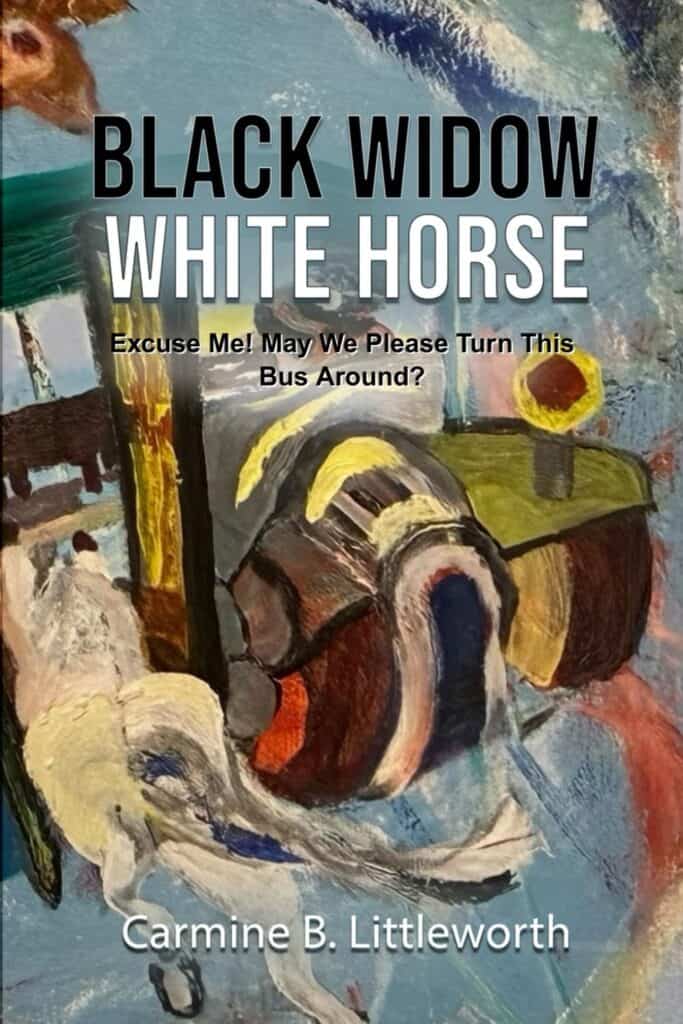
Keep the Conversation Going
These Black Widow White Horse book club questions are starting points, not endpoints. The best discussions take unexpected turns and leave you with new questions. Let the discomfort work on you. Let the characters stay with you. And most importantly, let the conversation continue beyond your meeting, in how you think, act, and relate to others. Get your copy of